
Infrared Sauna and Sleep: How Heat Therapy Supports Deeper, More Restful Nights
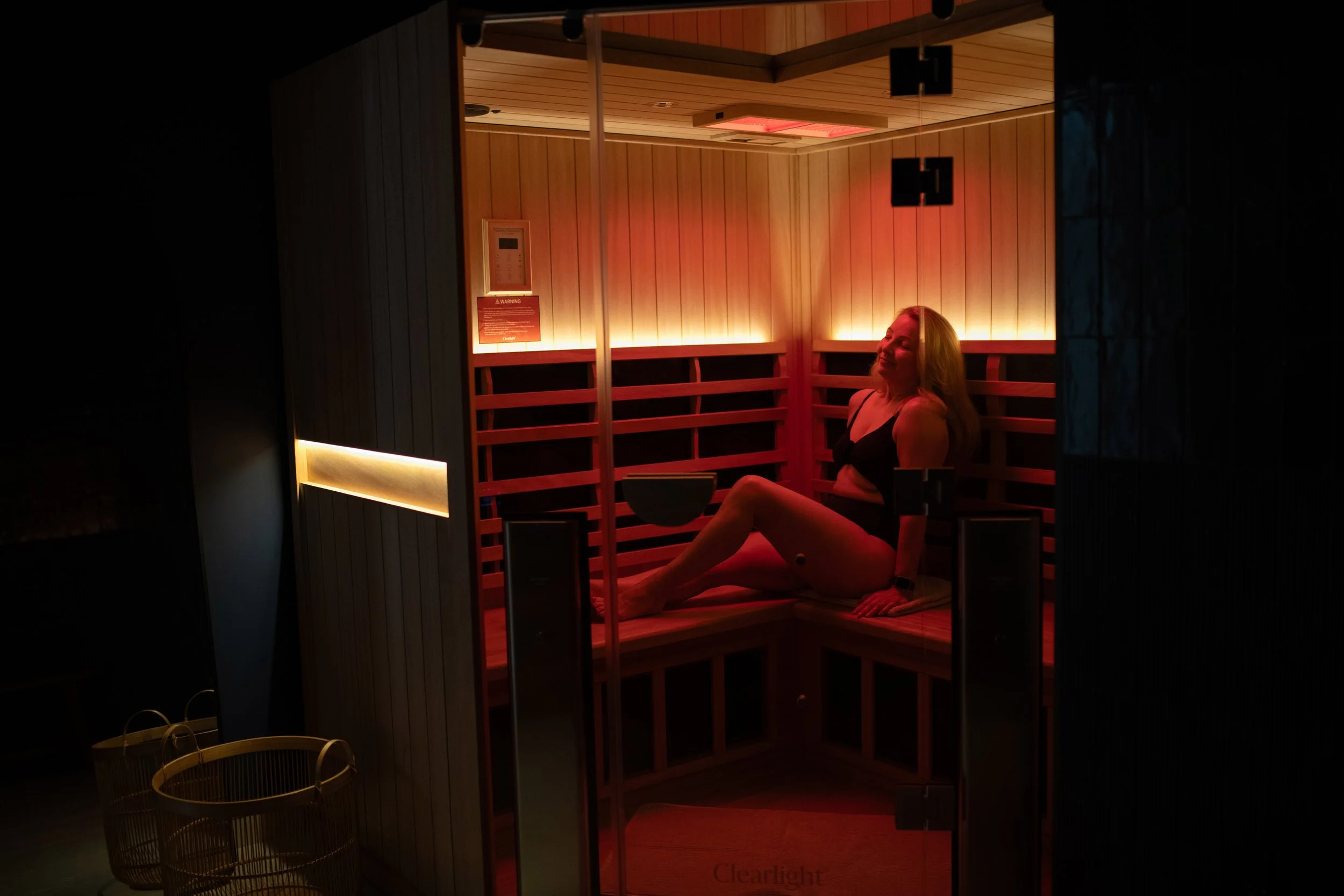
Sleep is one of the most undervalued aspects of health. It affects how we recover, how we think, how we feel and how we show up each day. Yet for a growing number of New Zealanders, a solid night of rest feels consistently out of reach.
According to the 2024/25 New Zealand Health Survey, around one in four adults regularly sleep less than the recommended amount. That adds up to a significant portion of the population operating on less rest than their bodies actually need. For many, the issue is not a lack of effort. It is a nervous system that struggles to switch off.
If you have been exploring natural, non-pharmaceutical ways to improve your sleep, infrared sauna may be worth considering. The connection between heat therapy and better rest is backed by a growing body of research, and the experience itself is something many of our members at Boon describe as one of the most effective parts of their wind-down routine.
Why sleep quality matters more than sleep quantity
Getting into bed is one thing. Getting quality sleep is another.
Sleep quality refers to how effectively your body moves through its natural sleep cycles, particularly the deeper stages of sleep where physical repair, hormone regulation and memory consolidation happen. You can spend eight hours in bed and still wake up feeling flat if the quality of that sleep is poor.
Poor sleep quality has been linked to reduced immune function, increased stress hormones, impaired focus and slower physical recovery. Over time, consistently disrupted sleep can affect mood, energy and overall wellbeing in ways that compound quietly.
The good news is that there are practical, evidence-backed ways to improve the quality of your sleep without reaching for medication. Infrared sauna is one of them.
How infrared sauna supports better sleep
Infrared sauna works differently to a traditional sauna. Rather than heating the air around you, infrared panels emit gentle radiant heat that warms your body directly. This means the experience feels less intense while still producing meaningful physiological effects beneath the surface.
Here is how those effects relate to sleep.
Body temperature regulation
One of the most well-understood sleep mechanisms involves core body temperature. As your body prepares for sleep, your core temperature naturally drops. This decline signals to the brain that it is time to wind down.
An infrared sauna session raises your core temperature during the session. Afterward, as your body cools, it mirrors and amplifies the same temperature drop that occurs naturally before sleep. When timed well, typically two to three hours before bed, this process can help your body transition into sleep more easily and fall asleep faster.
Nervous system regulation
Many people who struggle with sleep are not physically tired. They are wired. The sympathetic nervous system, your body's alert mode, stays active longer than it should, making it difficult to relax even when you are exhausted.
Infrared sauna encourages a shift from sympathetic (alert) to parasympathetic (rest and digest) nervous system activity. Research has linked regular sauna use to reduced cortisol levels, with one body of research suggesting reductions of up to 29% in resting cortisol among habitual sauna users. Lower cortisol in the evening means less internal resistance to sleep.
Muscle relaxation and pain relief
Physical tension is one of the most common and overlooked barriers to sleep. Whether it comes from training, desk work or accumulated stress, tightness in the body makes it harder to get comfortable and stay asleep.
Far-infrared wavelengths penetrate several centimetres into muscle tissue, increasing circulation and encouraging the release of tension. For people who carry soreness or stiffness into the evening, this can make a noticeable difference to how quickly they settle into sleep and how well they stay there.
Melatonin and mood support
Emerging research suggests that infrared sauna sessions may support the body's natural melatonin production. One preliminary study found that salivary melatonin levels increased meaningfully after a single full-spectrum infrared session. Melatonin plays a central role in regulating your sleep-wake cycle, so even modest increases can contribute to more consistent sleep patterns.
Beyond melatonin, sauna use has been associated with the release of endorphins and improvements in mood. A calmer, more regulated emotional state in the hours before bed naturally supports better sleep onset.
What the research says
The science connecting sauna use and sleep is growing. Here are a few of the more notable findings.
A global survey of sauna users published in Complementary Therapies in Medicine found that 83% of respondents reported improved sleep lasting one to two nights after a sauna session. Users who bathed five to fifteen times per month showed higher mental wellbeing scores overall.
An early study on sauna bathing and sleep patterns found that a single session significantly increased the amount of deep sleep recorded, with deep sleep in the first two hours increasing substantially compared to non-sauna nights. Deep sleep is the stage most closely associated with physical recovery and immune function.
Research into infrared sauna use among athletes found that a post-exercise session improved subjective sleep quality and supported faster neuromuscular recovery compared to passive rest alone.
While more large-scale clinical trials specific to infrared saunas and sleep are still needed, the broader evidence on passive body heating, nervous system regulation and cortisol reduction consistently points toward meaningful sleep benefits.
When and how to use infrared sauna for sleep
Timing matters. For the best sleep-related benefits, aim to complete your infrared sauna session two to three hours before you plan to go to bed. This gives your body enough time to cool down naturally, which is the phase that supports sleep onset.
A session length of 20 to 30 minutes at a comfortable temperature is a good starting point. If you are newer to infrared sauna, starting with shorter sessions and building up gradually is a sensible approach.
Hydration is important. Drink water before and after your session. Pairing your sauna with a quiet, low-stimulation evening routine can amplify the benefits. Think gentle stretching, dimmed lighting and minimal screen time in the hours that follow.
Consistency also plays a role. While a single session can improve sleep that night, regular use tends to produce more reliable and sustained improvements over time.
A note on what infrared sauna is not
Infrared sauna is not a cure for chronic insomnia or a replacement for professional medical advice. If you are experiencing persistent sleep difficulties, speaking with a healthcare provider is always recommended.
What infrared sauna does offer is a natural, non-invasive way to support your body's own ability to wind down. For many people, it becomes a valuable part of a broader sleep hygiene practice, one that works alongside good nutrition, regular movement and stress management.
Sleep better at Boon
At Boon Wellness in Auckland, our infrared sauna sessions are designed to fit into your routine with minimal friction. Whether you are winding down after a training session, looking for a midweek reset, or building a consistent recovery rhythm, infrared sauna offers a simple, effective way to support the quality of your rest.
When your body has what it needs to switch off, sleep stops being something you chase and becomes something that happens naturally.
Book your infrared sauna session at Boon Wellness and feel the difference a proper wind-down makes.
